What Most Student Athletes Are Missing
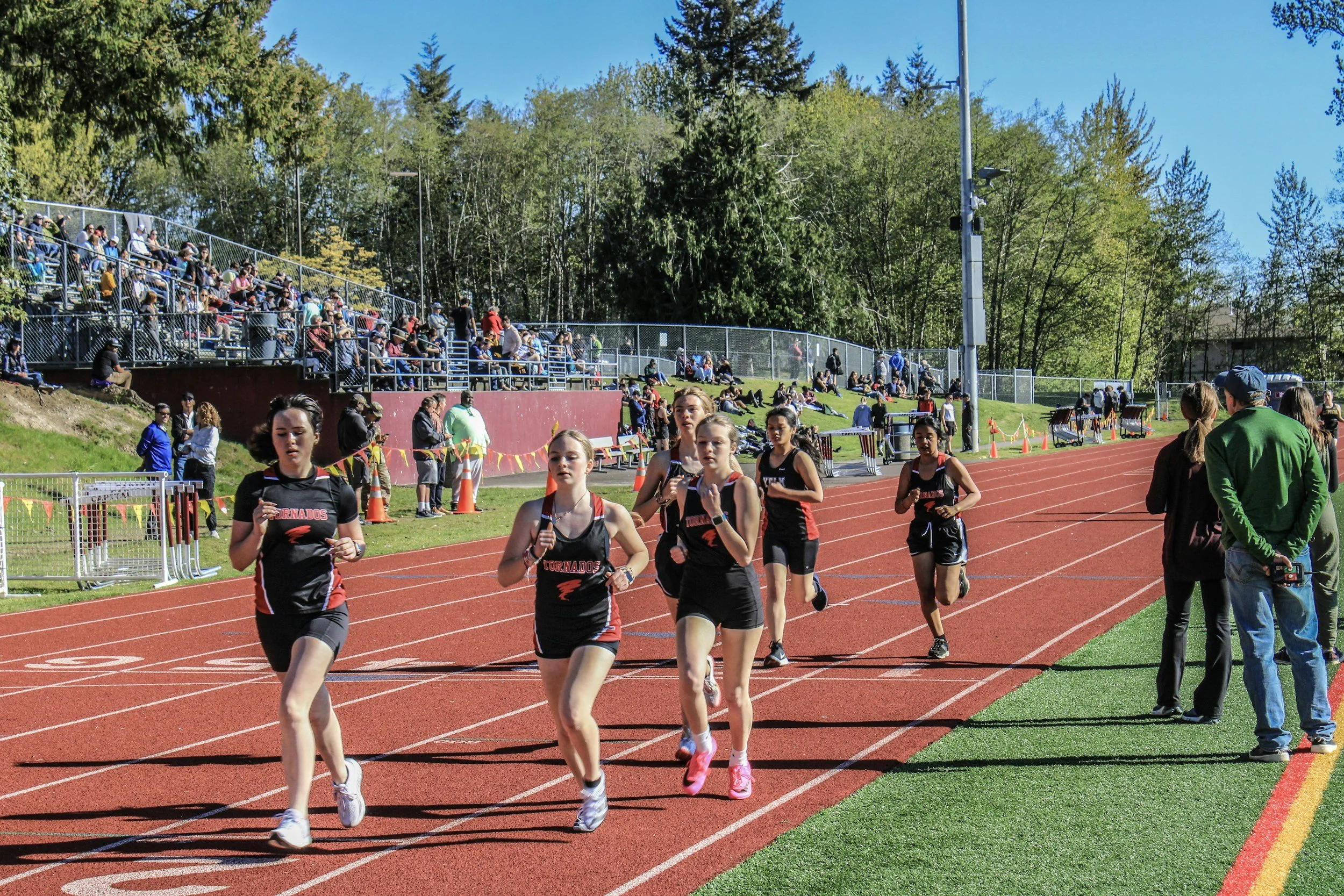
When I think of student athletes, there’s one common thread that stands out.
They practice, lift weights, do drills. Some work with private trainers outside of the team, too. But in all of that, no one is really teaching them about nutrition.
But the one tool that could make all the difference in how their hard work pays off is left to chance. Ironically, it’s actually the thing that should come first.
There seems to be a common belief that teens and college students can eat just about anything and get by. That’s not true for them any more than it is for us.
What you eat matters. It matters for your long term health, of course. But it also matters in more immediate ways, like mood, energy, sleep, and how your body handles stress. The same is true for your kids.
Yet, when it comes to student athletes in particular, people tend to focus on how much they eat, not what they eat or when they eat it.
Most of the athletes I work with come to me without understanding how food functions in their bodies. They don’t know why carbohydrates matter, what protein does, or why timing changes how food supports performance.
Learning the difference between a pre-game snack and a post-competition recovery meal changes everything for them.
They start to see that food is not just about fueling the moment.
It affects how steady their energy is during long competitions, how well they recover after, and how they sleep that night. It even plays a role in how they feel the next day and in injury prevention.
Before long, they notice a difference and it all starts to make sense. Even better, their families notice, too.
One of my favorite examples of this is a college volleyball player who came to me with low energy, stomach issues, and big crashes in the middle of her tournaments. She was the best player on her team, but was suddenly struggling to make it through.
We worked together, got to the root of what was going on, and made some simple but targeted changes. Her energy improved, her stomach settled, and she went on to have her best season ever.
But the moment that stuck with me most was when her mom said, “Her mood is SO much better!”
That’s something every family can get on board with!
Remember:
Nutrition shouldn’t be an afterthought. It should be the strategy.
If this sounds like something your athlete could benefit from, I offer a 30-minute complimentary consult to talk through goals and see if it’s the right fit. Click below to request an appointment.
Until next time….
Eat Well,