Think Outside the Peel!
Chances are you have a bunch sitting on your counter right now. I know I do. I’m never without them. And I’m not alone.
Bananas are the most consumed fruit in the country.
The average American eats about 25 to 30 pounds of bananas every year. That’s about 90 to 100 bananas. They outsell apples and oranges combined in the U.S. and are one of the most traded fruits in the world.
You’d think that would be enough claim to fame, right?
But no. The banana is also known as a potassium powerhouse. So, does it deserve top billing there, too? Maybe not.
Turns out there’s a whole list of foods that beat the banana in potassium content. Before we take a look at them, let’s take a look at why you should care.
Potassium is an essential mineral that does a lot of hard work behind the scenes in the body.
At its most basic level, it’s an electrolyte. That means it helps regulate fluid balance, nerve signaling, and muscle function. It works closely with sodium to maintain the right balance of fluids inside and outside your cells, which affects everything from hydration to blood pressure.
It’s also essential for normal muscle contractions, including your heart. Every heartbeat, every contraction, every nerve impulse relies on the right balance of electrolytes like potassium.
This isn’t just a “nice to have” for any of us. It’s a must for the body to function properly. But for athletes, it goes beyond everyday function and directly affects performance.
When you sweat, you lose electrolytes, including potassium. If those aren’t replaced, it can throw off fluid balance and muscle function.
This can show up as muscle cramps, early fatigue, decreased endurance, and slower recovery. Low potassium levels also mean muscles don’t fire as efficiently, which can affect strength, coordination, and overall performance.
And then there’s recovery. Potassium helps move nutrients into cells and supports glycogen storage, both of which matter after training when the goal is to refuel and repair.
With all that going on, athletes need to make sure they’re getting enough potassium throughout the day, not just around workouts.
No bananas? No problem. It’s time to think outside the peel.
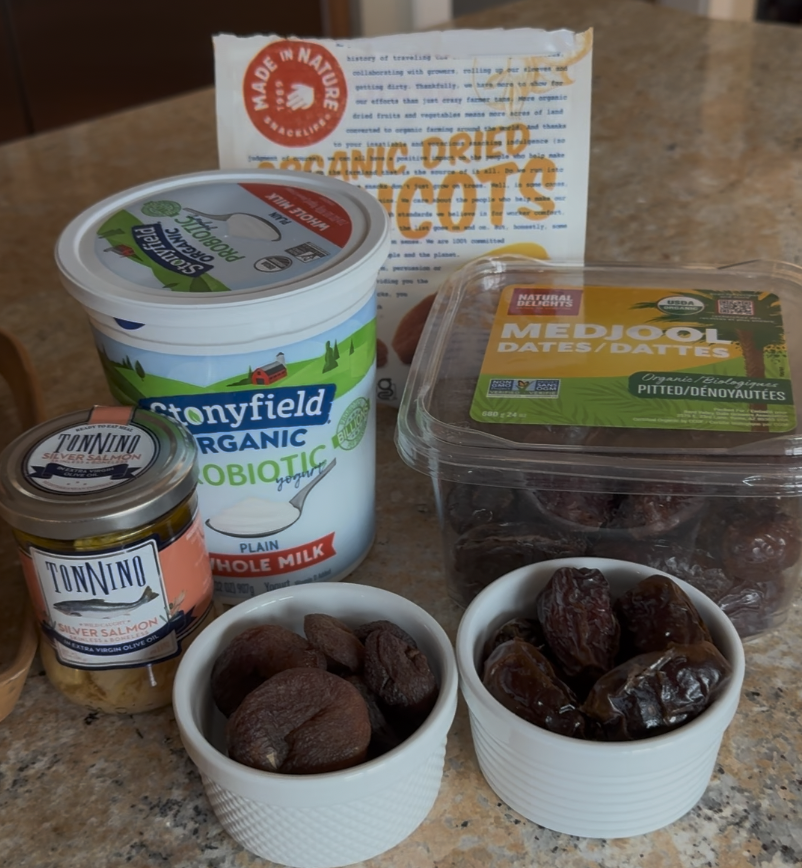
These foods all have more potassium per serving than the famous banana:
Apricots (dried)
Avocado
Beets
Black beans
Dates (dried)
Garbanzo beans
Sweet potatoes
Tomatoes
Tuna
Yogurt
Now, I’m not so unrealistic as to think anyone is going to show up at the field with a sweet potato and a can of beans. Bananas will always be a go-to. I get that.
But having other options makes it easier to spread potassium across your day. Toss frozen beets into a smoothie at breakfast, add hummus or guacamole to lunch, try a yogurt parfait for a snack. And if you think a banana dipped in peanut butter is great, you haven’t lived until you’ve dipped a date.
You’re welcome.
Knowing how to fuel your body for athletic performance isn’t easy. It’s complex and nuanced on a good day. On top of that, it changes based on the sport, the season, the training load, and the individual athlete.
It’s simply not one-size-fits-all and definitely not the place to wing it.
I teach student athletes how to eat for their sport so they can perform at their best on and off the field. This isn’t gym-culture nutrition with a single-minded goal. It’s about building skills that last a lifetime.
If you have a high school or college athlete who’s ready to take their nutrition to the next level, I offer a complimentary assessment so you can learn more. Click below to schedule.
Until next time….
Eat Well,